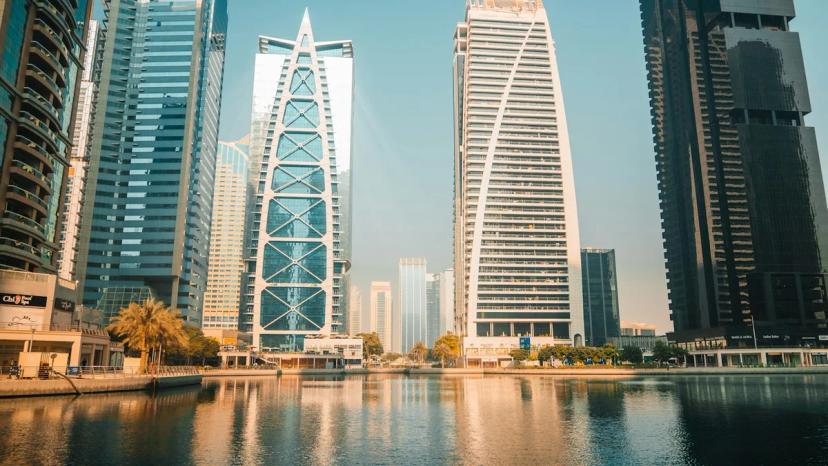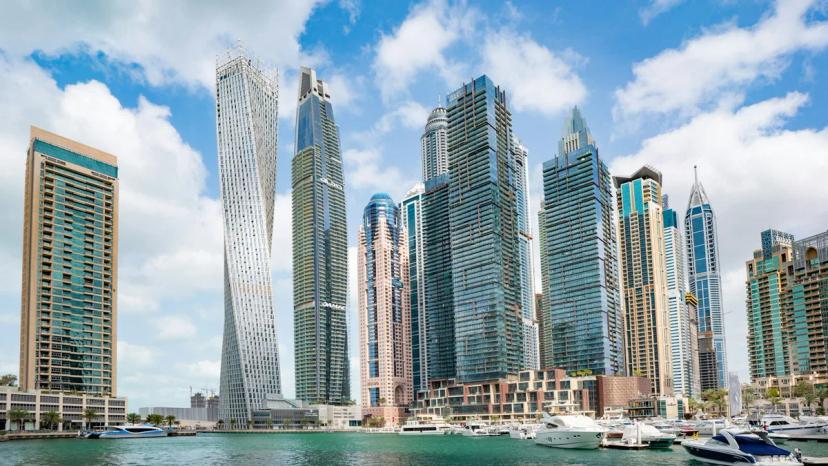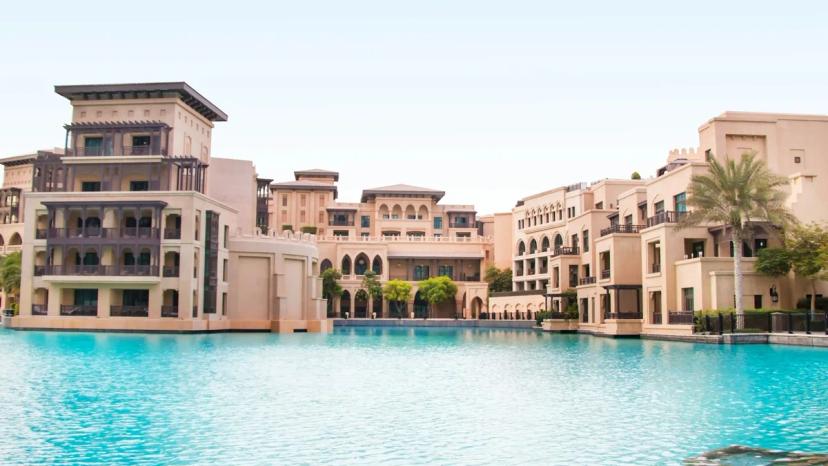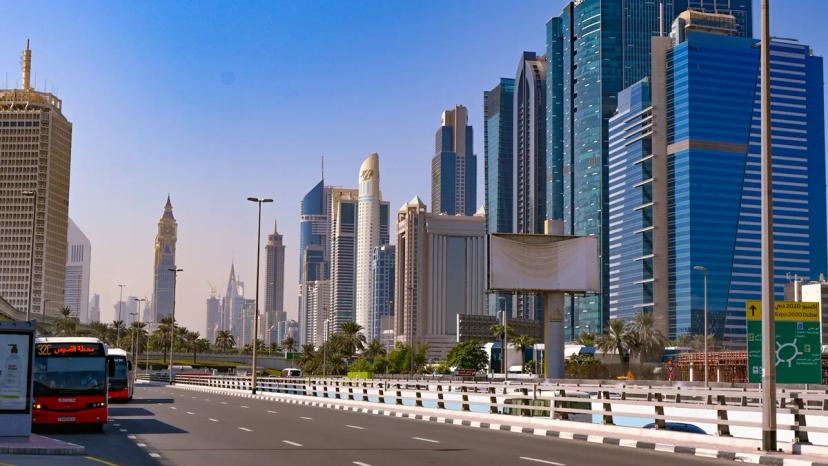
Dubai continues to stand out as one of the most vibrant destinations for global property capital. Supported by transparent real estate legislation, world-class infrastructure, and an investor-oriented lifestyle, understanding how to buy a property in Dubai as a foreigner has become essential for individuals seeking reliable rental income, second-home luxury, or long-term relocation to the UAE. International purchasers can acquire both ready and off-plan residences across designated freehold zones. The transaction framework overseen by the Dubai Land Department ensures clear ownership rights, legal protection, and straightforward registration procedures for buyers from every corner of the globe.
Understanding Freehold Areas and Choosing Prime Locations
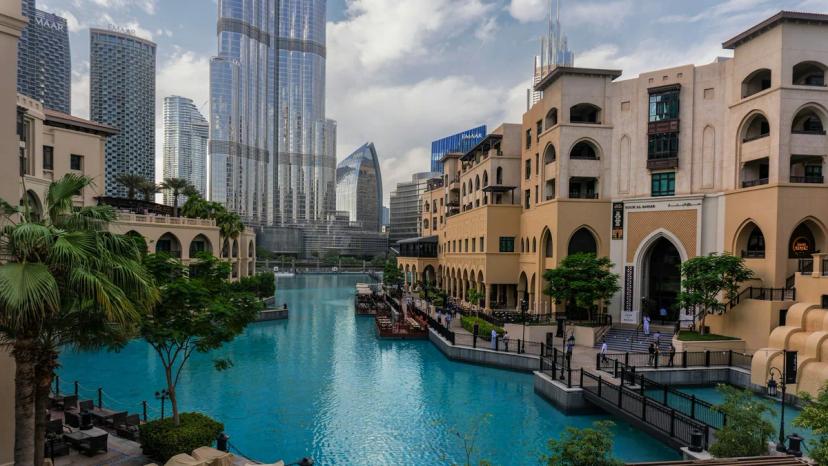
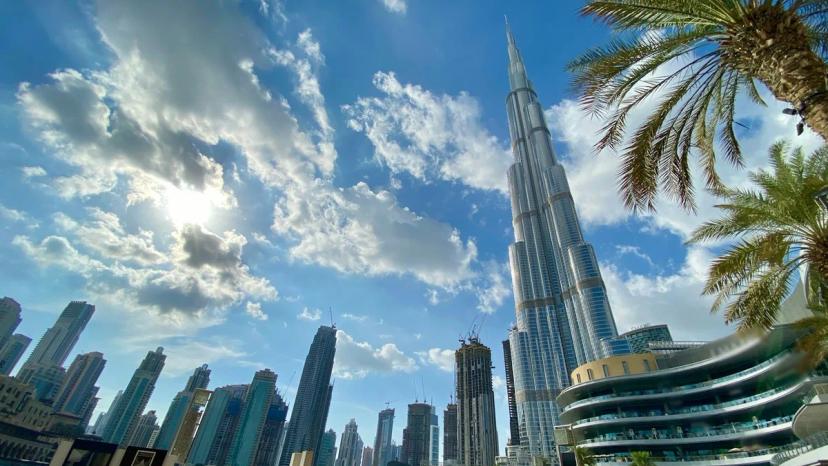
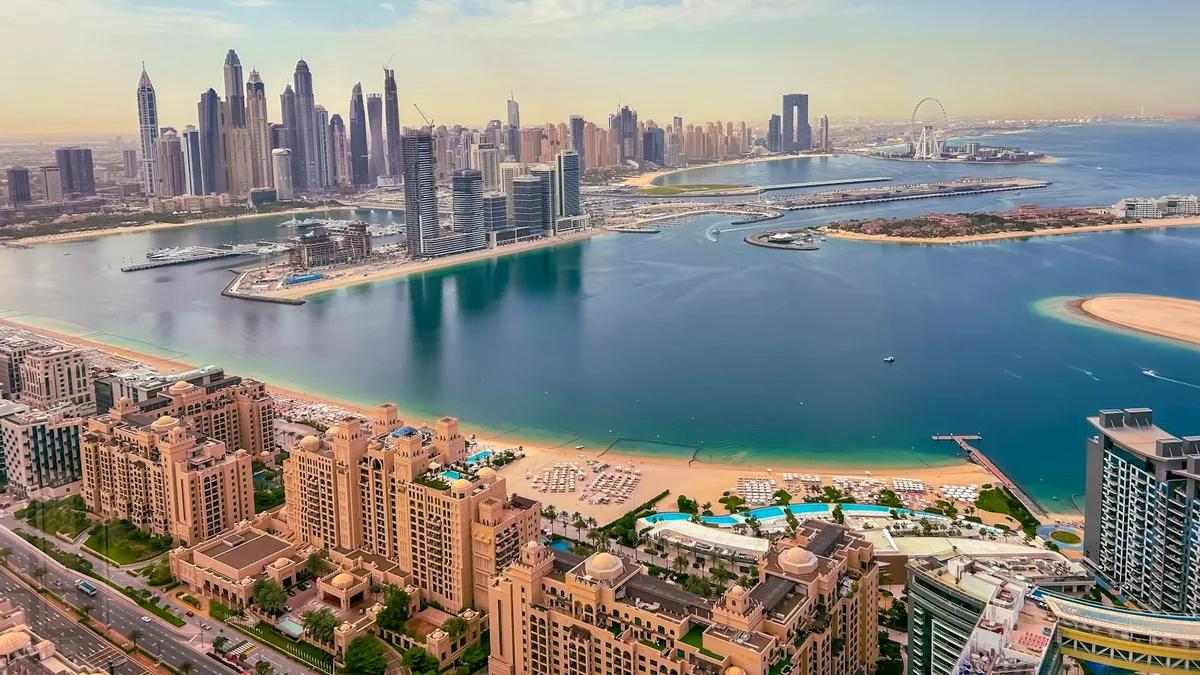
Foreign nationals can own real estate in designated freehold zones spread across Dubai. In a freehold purchase, the buyer acquires absolute ownership of the property unit and the associated land rights without an expiration date. The Dubai Land Department issues an official title deed confirming these rights, allowing the owner to lease, renovate, occupy, sell, or pass the property to heirs. In contrast, leasehold ownership grants occupation rights for a defined duration, usually extending up to 99 years, while the underlying land remains with the primary freeholder. Most overseas buyers focus heavily on freehold communities due to the permanence of title and the broader resale liquidity they offer. Selecting the right community depends entirely on your broader investment strategy. Established prime addresses like Downtown Dubai, Dubai Marina, and Palm Jumeirah remain consistent favorites for lifestyle buyers and short-term leasing demand. Master-planned developments such as Dubai Hills Estate and Jumeirah Village Circle offer high appeal for families and steady long-term tenants. Meanwhile, emerging expansion districts including Dubai South, Palm Jebel Ali, Dubai Creek Harbour, and Arabian Ranches 3 continue to present attractive off-plan entry points with significant upside potential.
How to Buy a Property in Dubai as a Foreigner: A Step-by-Step Guide
Navigating a property purchase in Dubai follows a structured, transparent timeline from initial selection to deed issuance. First, define your property preferences and determine whether a completed home or an off-plan development suits your capital horizon. Off-plan acquisitions usually feature structured developer payment schedules, while ready units provide immediate rental yield or personal occupancy. Second, organize your financing early. Foreign nationals can apply for home loans through UAE commercial banks, though mortgage terms, down payment sizes, and eligibility depend on residency status and individual income documentation. While property acquisition has no statutory age ceiling, lenders maintain their own internal age and credit parameters. Third, reserve the unit and formalize the agreement. For secondary market homes, the buyer and seller negotiate pricing before signing the standard Real Estate Sale Agreement, known as Form F or the Memorandum of Understanding. A security deposit is placed at this stage to secure the transaction. Finally, complete the settlement and transfer. The seller applies for a No Objection Certificate from the master developer to verify all maintenance fees and balances are settled. Both parties then finalize the conveyance at an official Dubai Land Department Trustee Office. Once administrative fees are disbursed, the DLD issues a brand-new title deed directly in the purchaser's name.
Financial Dynamics, Yield Performance, and Residency Pathways
Financial clarity is fundamental when evaluating real estate assets overseas. One of the emirate's greatest attractions remains its tax-efficient environment. Individual property owners pay no recurring annual property taxes, local wealth levies, or taxes on gross rental receipts, allowing capital to compound without fiscal drag. Rental yields across Dubai remain competitive against other global gateway capitals. As detailed in comprehensive market findings by Engel & Völkers, August 2026 data revealed an average citywide rental yield of 6.34%. Apartments led performance with gross returns averaging 6.66%, while townhouses reached 5.06% and standalone villas averaged 4.45%. Net returns naturally fluctuate based on ongoing service charges, location quality, and management style. Beyond rental income, property acquisitions open clear routes to UAE residency. In April 2026, authorities updated the requirements for the renewable two-year investor visa by lifting the previous minimum property valuation threshold. For investors acquiring residential real estate valued at or above two million dirhams, the UAE ten-year Golden Visa provides long-term stability, self-sponsorship privileges, and family sponsorship benefits.
With its robust regulatory environment, steady population growth, and high rental demand, Dubai offers an exceptionally accommodating landscape for international real estate investment. Success depends on selecting an area aligned with your lifestyle needs, verifying developer credentials, and understanding full lifecycle acquisition expenses. To discover tailored investment opportunities or review verified properties, connect with the experienced team at Grand Vision Real Estate and explore our current portfolio of premier Dubai homes.