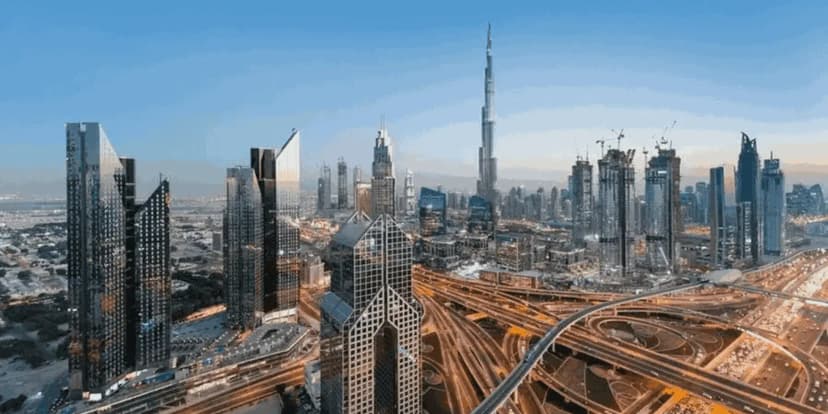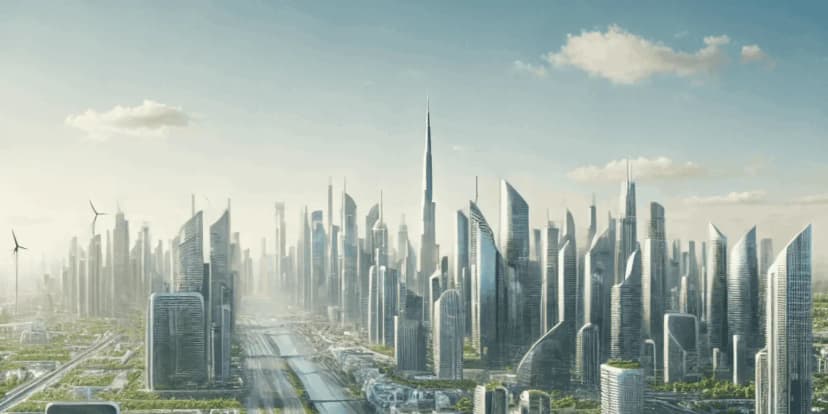
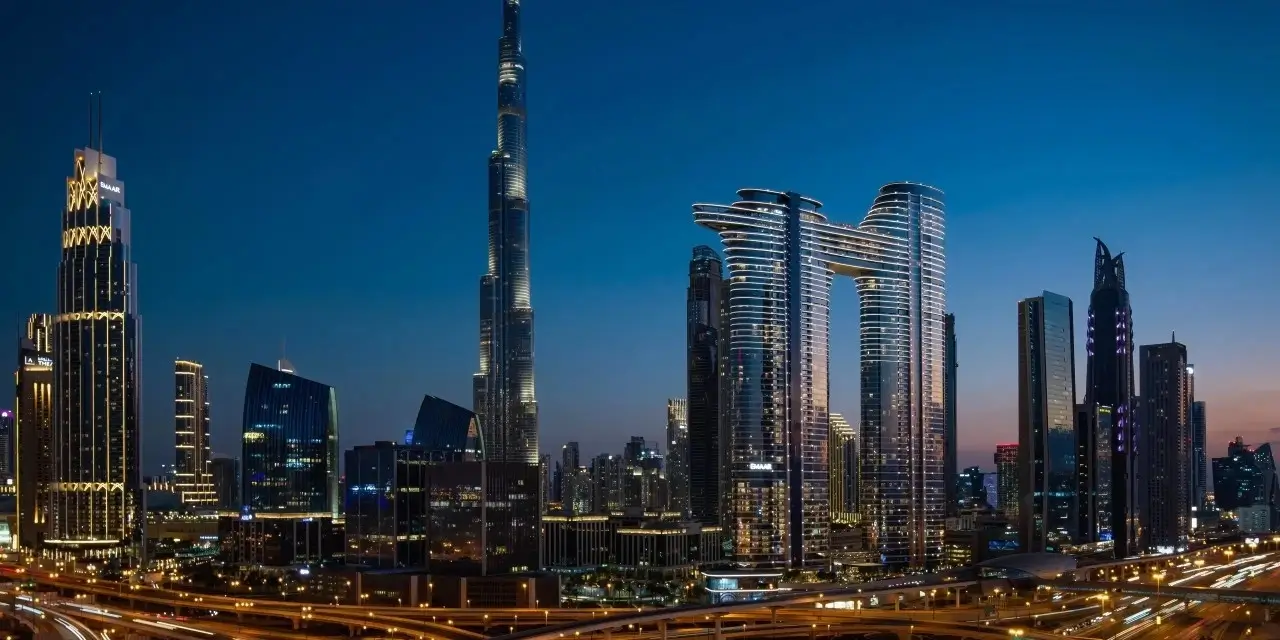
Dubai's real estate market has long been a focal point for investors worldwide, known for its resilience and dynamic growth. As we approach 2025, it's essential to understand the trends shaping this vibrant market and the opportunities they present.
Current Market Landscape
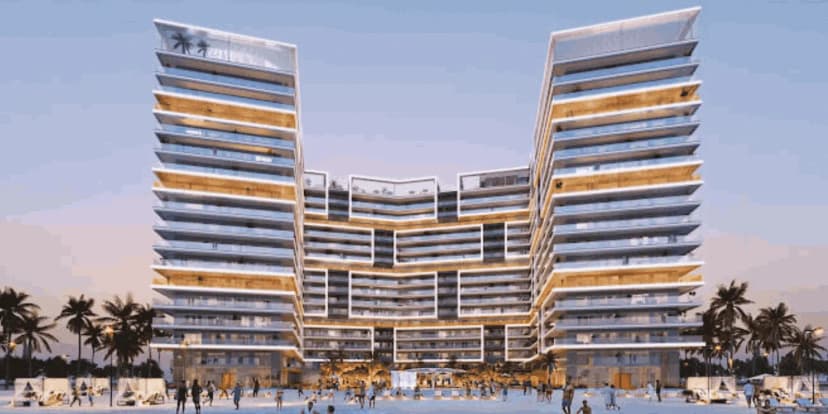
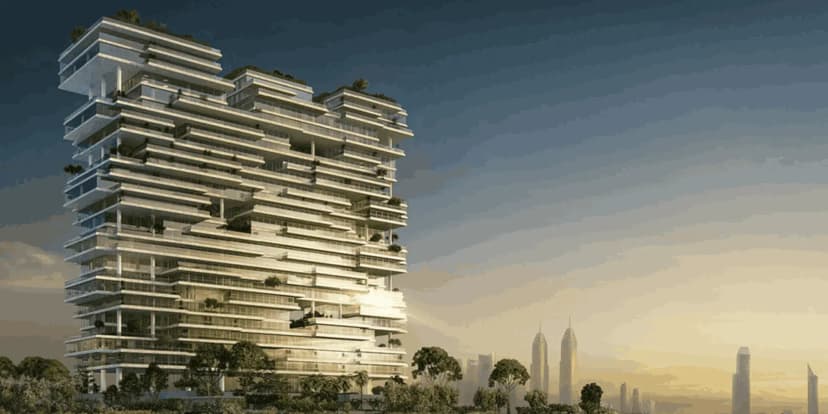
Dubai's property market has experienced a significant surge, with average property prices increasing by 75% since February 2021, reaching AED 1,750 per square foot. This growth is attributed to economic resilience, liberalized visa policies, and a growing population. The residential sector is poised for substantial growth, with an estimated 182,000 new housing units expected to be delivered between 2025 and 2026. Notably, approximately 76,000 units are slated for completion in 2025, reflecting the market's robust expansion. The luxury segment, in particular, is witnessing heightened demand. Dubai is constructing nearly 9,000 villas by the end of this year and plans to build an additional 19,700 in 2025 to cater to affluent buyers. Despite these developments, a shortage of high-end properties persists, underscoring the market's attractiveness to wealthy investors.
Commercial Real Estate and Emerging Neighborhoods
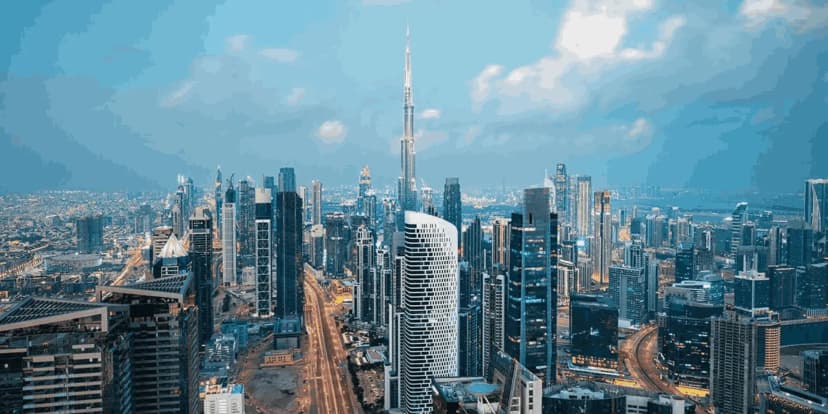
Dubai's strategic location and business-friendly environment continue to attract multinational corporations, driving demand for office and retail spaces. Areas like Business Bay and the Dubai International Financial Centre (DIFC) remain prime locations for commercial investments, offering modern infrastructure and connectivity. Newly developing areas such as Dubai South, Al Furjan, and Mohammed Bin Rashid City are gaining traction among investors. These neighborhoods offer modern infrastructure and relative affordability, making them attractive for those seeking high-growth areas with competitive entry prices.
Economic Indicators and Future Trends
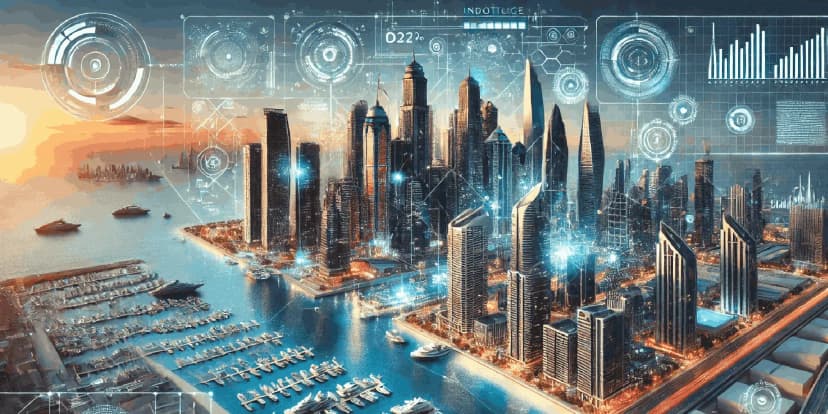
The UAE's economy is projected to expand by an annual average of 5% in 2025, bolstered by diversification efforts and investments in non-oil sectors like tourism, real estate, trade, and financial services. This economic growth provides a solid foundation for the real estate market's continued resilience. Developers are increasingly prioritizing sustainability, integrating energy-efficient designs and renewable energy solutions into new projects. Technological advancements are also revolutionizing the sector, enhancing efficiency and creating new opportunities for innovation. While the outlook remains positive, it's crucial to acknowledge potential risks such as global economic uncertainties and oil price fluctuations. However, Dubai's efforts to diversify its economy and attract foreign investment provide a buffer against these challenges, contributing to the market's stability.
Dubai's real estate market in 2025 is characterized by growth and resilience, offering diverse opportunities for investors. By staying informed and considering both the opportunities and potential risks, investors can navigate this dynamic market effectively.