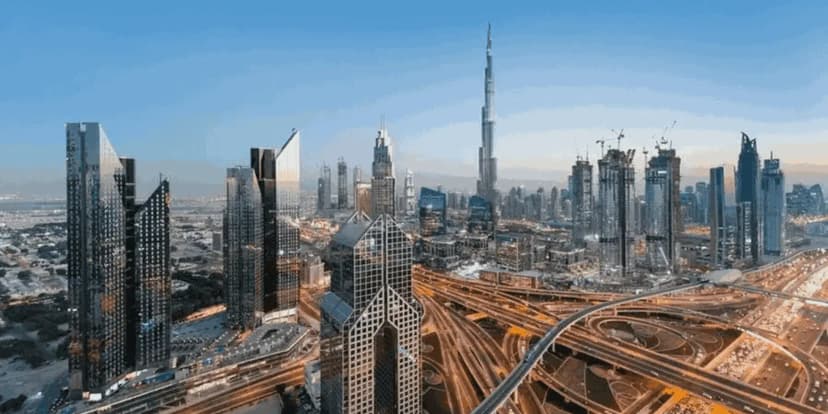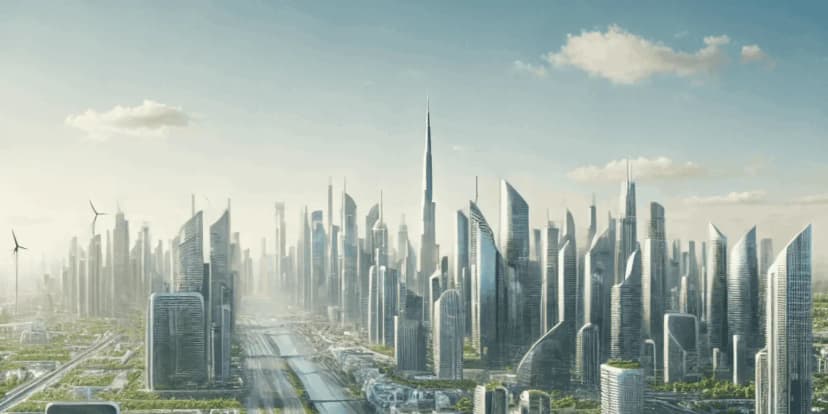
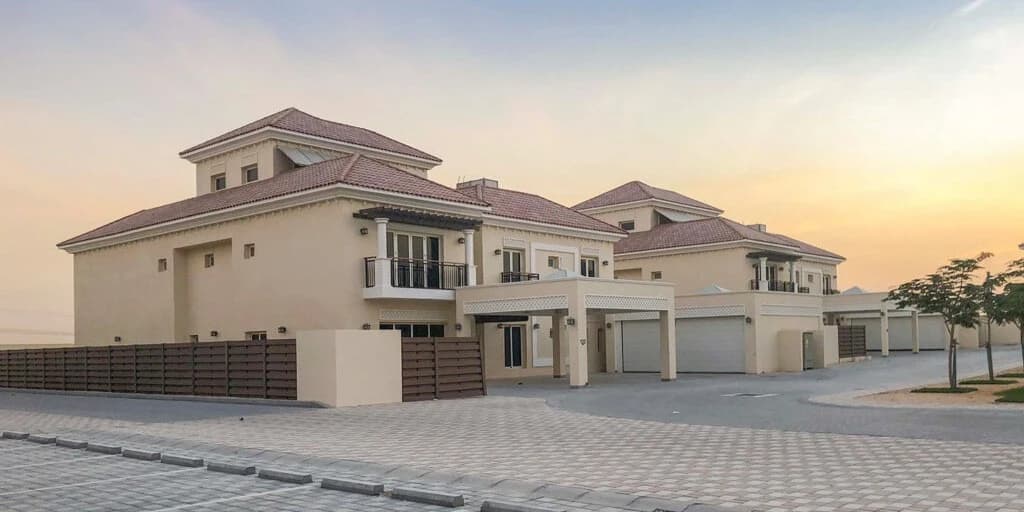
Dubai real estate market has evolved into one of the most resilient and opportunity-driven property markets in the world. Over the last two decades, the emirate has transformed from a regional trade hub into a global investment destination attracting international buyers, institutional investors, entrepreneurs, and high-net-worth individuals. From luxury waterfront villas to off-plan developments and master-planned communities, Dubai offers a unique combination of tax efficiency, strong rental yields, modern infrastructure, and long-term growth potential. However understanding the Dubai property cycle is essential for making informed investment decisions and minimizing risk. Like all major global markets, Dubai moves through recurring real estate cycles that influence prices, rental demand, investor sentiment, and development activity. Yet Dubai property cycle is unique because it is heavily shaped by international capital flows, infrastructure expansion, government reforms, and off-plan development strategies. The Dubai property cycle refers to the recurring stages of growth, expansion, correction, and recovery within the emirate real estate market influencing property prices, rental yields, transaction activity, buyer demand, supply levels, and investor confidence. Although Dubai market moves quickly it does not move unpredictably as it follows clear cyclical patterns driven by supply and demand dynamics, government policies, infrastructure development, global economic conditions, international investor activity, and developer launch strategies. Dubai operates differently from many traditional property markets because international capital drives the market relying heavily on foreign investment rather than purely domestic demand, master-planned communities control supply through carefully planned developments with integrated infrastructure, off-plan projects lead market momentum with developers launching projects strategically based on demand trends, and government policies including Golden Visa programs, business-friendly regulations, tax advantages, and infrastructure investment strengthen investor confidence and long-term market resilience.
The Four Phases of Dubai Property Cycle and Historical Market Cycles
Most real estate markets follow four major cyclical phases. During the recovery phase demand slowly returns, market sentiment remains cautious, vacancy rates stabilize, rental growth remains limited, and new construction activity is low often creating excellent buying opportunities before mainstream confidence returns. The expansion phase is characterized by rising demand, increasing prices, higher occupancy rates, growing investor confidence, stronger rental growth, and increased project launches attracting both investors and end-users. At the peak stage property prices rise rapidly, transaction volumes surge, investor sentiment becomes highly optimistic, and developers increase construction activity though oversupply risks may begin emerging. During the correction phase supply exceeds demand, price growth slows, investor activity weakens, rental growth stabilizes or declines, and buyers become more selective helping rebalance the market. Dubai four specific phases include the Capital Inflow Phase where international capital starts flowing in driven by economic stability, currency movements, tax efficiency, and wealth migration with experienced investors accumulating assets before wider momentum begins. The Launch and Growth Phase sees developers begin launching new off-plan projects with rising transaction activity, flexible payment plans, attractive launch pricing, and growing international demand offering strategic investors early-stage pricing advantages and future appreciation potential. The Market Acceleration Phase reflects strong momentum with rapid price appreciation, high transaction volumes, increased global attention, and exceptional demand for luxury waterfront and branded residences. The Supply Absorption Phase creates a more balanced environment with slower price growth, increased buyer selectivity, reduced speculative demand, stable rental yields, and investors focusing on prime locations, asset quality, developer reputation, and long-term fundamentals. Dubai real estate history demonstrates clear cycles beginning with the early two thousands property boom triggered by freehold ownership laws bringing massive foreign investment, rapid urban development, sharp price appreciation, and iconic developments including Burj Khalifa, Palm Jumeirah, Dubai Marina, The World Islands, Palm Jebel Ali, and Dubai Islands. The two thousand and eight global financial crisis triggered falling property prices, reduced investor confidence, oversupply concerns, and slower transaction activity. The two thousand thirteen to two thousand sixteen period saw gradual recovery through improved market regulations, greater transparency, infrastructure development, Expo 2020 announcement, and controlled supply strategies. The two thousand sixteen to two thousand twenty cooling phase included global uncertainty and COVID-19 pandemic though Dubai remained relatively resilient due to government support, infrastructure investment, long-term planning, and strong tourism appeal. Since two thousand twenty-one Dubai has entered another strong growth cycle fueled by Golden Visa reforms, international wealth migration, luxury property demand, population growth, tourism recovery, and economic diversification.
Dubai Market Position in 2026 and Investor Strategies
Dubai remains in a strong expansion phase in 2026 with high transaction volumes, strong buyer demand, rising property values, healthy rental growth, and controlled supply strategies. However the market has also become more mature and selective. One important factor investors must understand is that Dubai is not a single uniform market as different communities move through separate micro-cycles depending on location, property type, supply pipeline, infrastructure, buyer demographics, and rental demand. Prime luxury communities may continue appreciating, mid-market apartment sectors may stabilize, and emerging areas may offer stronger growth potential making location analysis extremely important. Successful investors focus on long-term fundamentals rather than trying to perfectly time the market. The strongest communities offer excellent infrastructure, transport connectivity, strong rental demand, lifestyle amenities, and long-term growth potential with master-planned communities remaining particularly attractive. Off-plan properties continue driving Dubai growth cycle but investors should carefully evaluate developer reputation, construction track record, payment plans, community demand, and future infrastructure projects as choosing the right project is more important than chasing market hype. Periods of geopolitical uncertainty sometimes create distressed opportunities with motivated sellers, attractive entry prices, and strong future appreciation potential often emerging during temporary market slowdowns. Dubai remains one of the world strongest rental yield markets with investors increasingly focusing on stable occupancy rates, long-term tenant demand, cash-flow efficiency, and rental sustainability as income-producing assets provide stronger resilience during market fluctuations.
Future Outlook and Frequently Asked Questions
Dubai long-term property outlook remains highly positive with several structural growth drivers continuing to support future expansion. Population growth and wealth migration continue as Dubai attracts skilled professionals, entrepreneurs, investors, international businesses, and high-net-worth individuals supporting both property demand and rental activity. Major infrastructure projects including new metro lines, smart city initiatives, airport expansions, and waterfront developments continue strengthening long-term growth potential. Dubai leadership continues implementing investor-friendly reforms including long-term residency programs, economic diversification, tax advantages, and digital transformation initiatives. Unlike previous speculative cycles, Dubai current growth phase is increasingly supported by end-user demand, economic diversification, infrastructure development, population expansion, and sustainable urban planning creating a more resilient and future-ready real estate market. What is the Dubai property cycle? It refers to recurring phases of growth, expansion, correction, and recovery within Dubai real estate market. Is Dubai currently in an expansion phase? Yes, Dubai remains in a strong expansion phase in 2026 supported by high demand, strong transaction activity, and global investor confidence. What drives Dubai real estate cycles? Key drivers include foreign investment, infrastructure projects, government reforms, supply management, economic growth, and investor sentiment. Are off-plan properties still attractive in 2026? Yes especially projects from reputable developers in high-demand communities with strong long-term growth potential. Is it possible for Dubai property prices to decline again? Yes, like all real estate markets Dubai experiences cyclical corrections however strong fundamentals and controlled supply strategies improve long-term resilience.
Dubai property market continues to demonstrate remarkable resilience, adaptability, and long-term investment potential. Understanding the Dubai property cycle is essential for investors seeking to maximize returns while minimizing unnecessary risks. The market in 2026 remains in a strong expansion phase supported by international capital inflows, infrastructure development, population growth, and government reforms. However the market has matured significantly making strategic asset selection more important than ever. Rather than attempting to perfectly predict market peaks or corrections, successful investors focus on strong locations, sustainable rental demand, quality developments, and long-term fundamentals. In Dubai real estate long-term success does not come from chasing hype but from understanding the market cycle and investing strategically within it. At Grand Vision Real Estate, we specialize in ultra-luxury and branded residences helping high-net-worth clients access premier properties in Dubai most exclusive locations. Our team provides comprehensive market analysis, exclusive access, and white-glove transaction support. Contact our luxury property specialists today to explore investment opportunities aligned with Dubai current expansion phase, understand off-plan and ready property options with strong long-term growth potential, access exclusive listings and off-market properties in master-planned communities, and benefit from personalized service throughout the property acquisition process. We help discerning clients secure exceptional properties in Dubai most prestigious addresses through expert guidance and privileged market access.