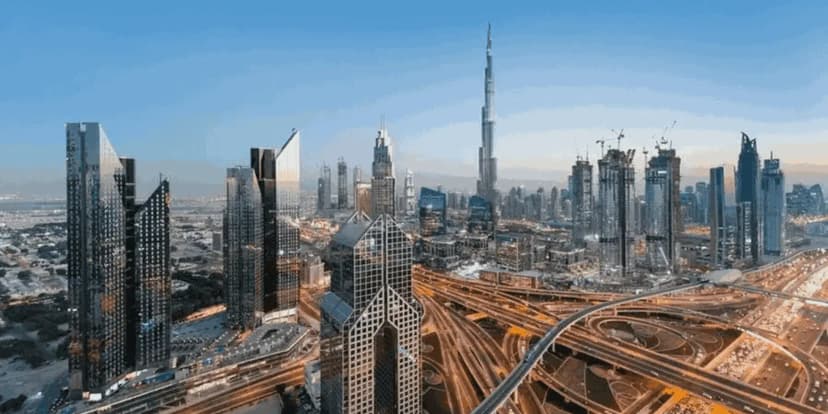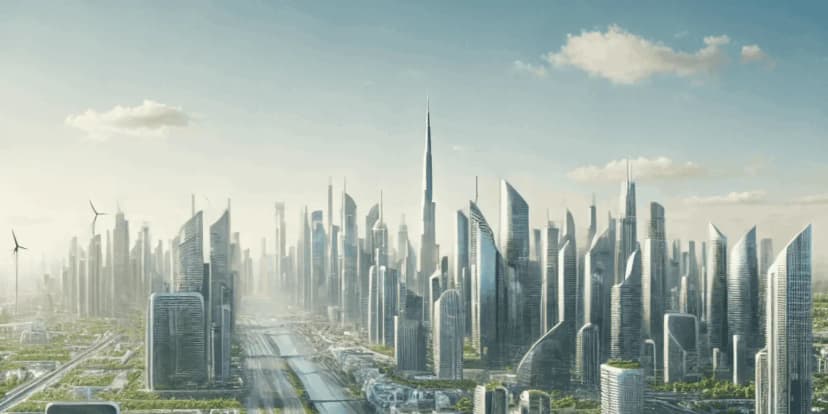
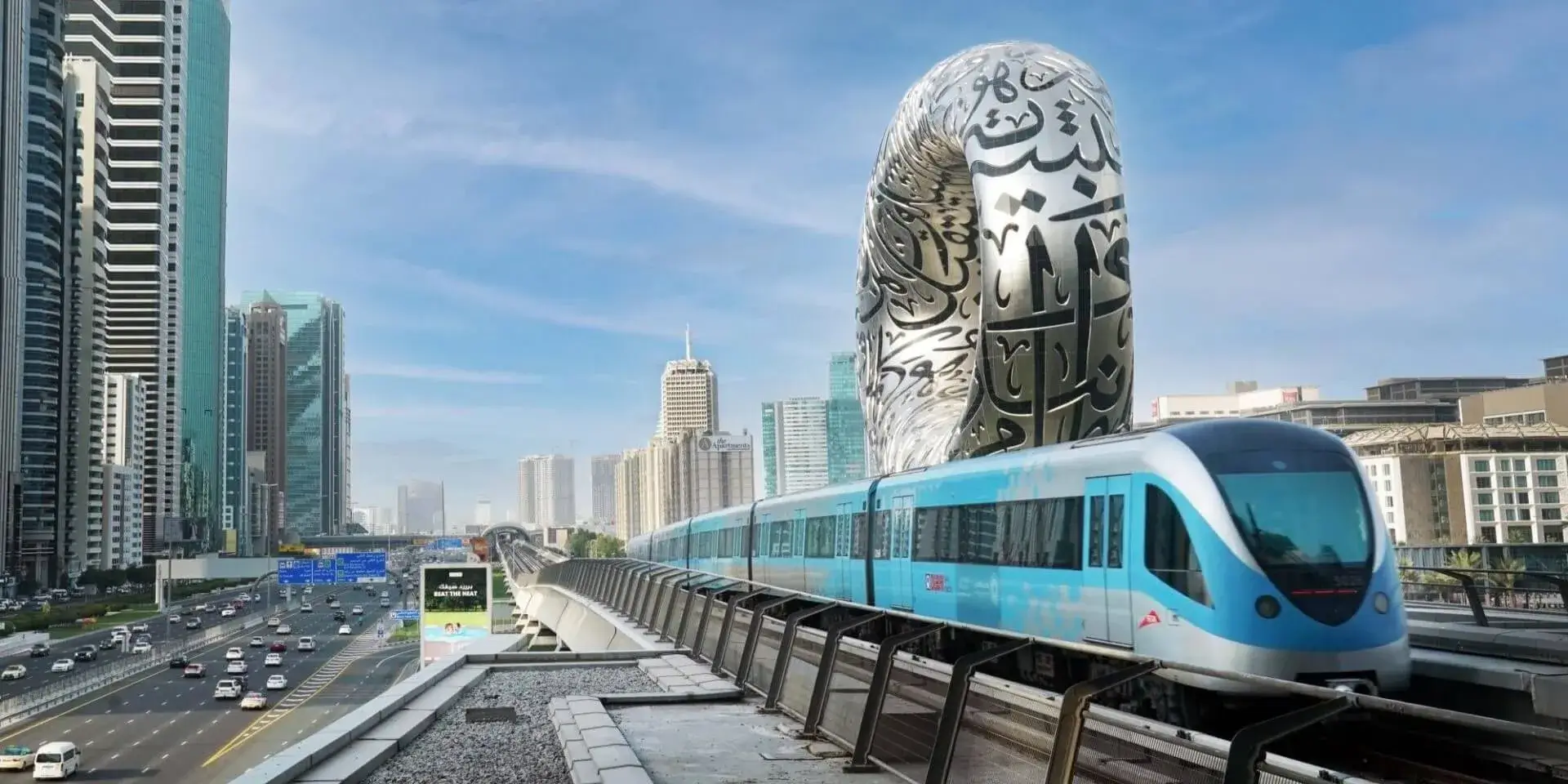
Dubai's relentless pursuit of innovation and excellence is evident in its ambitious infrastructure projects. The upcoming Dubai Metro Blue Line is a testament to this vision, poised to revolutionize urban mobility and stimulate economic development. This comprehensive exploration delves into the Blue Line's features, its alignment with the Dubai 2040 Urban Master Plan, and its anticipated impact on the city's landscape and real estate market.
Overview and Key Features of the Dubai Metro Blue Line
Scheduled to commence operations on September 9, 2029, the Dubai Metro Blue Line is a $5.6 billion project awarded to a consortium comprising Turkey's MAPA and Limak, along with China's CRRC. The line will extend over 30 kilometers and encompass 14 strategically located stations, enhancing connectivity across key zones. The Blue Line will traverse areas including Mirdif, Al Warqa, Dubai International City 1 & 2, Dubai Silicon Oasis, Academic City, Ras Al Khor Industrial Area, Dubai Creek Harbour, and Dubai Festival City. A standout feature includes a 1,300-meter bridge over Dubai Creek, marking the first metro viaduct over this iconic waterway. Stations are designed with modern amenities to ensure passenger comfort, including seating areas, ramps, restrooms, and prayer rooms. The Dubai Creek Harbour station, spanning 10,800 square meters, is designed to accommodate up to 160,000 passengers daily, with an anticipated 70,000 daily users by 2040.
Alignment with the Dubai 2040 Urban Master Plan
The Dubai Metro Blue Line is a pivotal component of the Dubai 2040 Urban Master Plan, which aims to enhance connectivity, promote sustainable urban development, and improve residents' quality of life. The Blue Line supports the 'twenty-minute city' concept, striving for 80% of essential services to be within a 20-minute commute, thereby reducing reliance on private vehicles and encouraging public transport use. This strategic alignment positions the Blue Line as more than just a transportation project—it represents a fundamental shift in how Dubai envisions urban mobility and sustainable living for the coming decades.
Economic and Real Estate Implications
The introduction of the Blue Line is expected to serve as a catalyst for economic growth, enhancing accessibility to business districts, residential communities, and tourist attractions. This improved connectivity is likely to boost property values along the metro route, with analysts predicting increases of up to 25%. Investors and residents may find lucrative opportunities in areas adjacent to the Blue Line stations, benefiting from enhanced accessibility and potential appreciation in property values. The Blue Line is also set to transform urban mobility in Dubai by offering a reliable and efficient alternative to road travel. By connecting key areas, it aims to reduce traffic congestion, lower vehicle emissions, and promote sustainable living practices. The project aligns with global trends toward eco-friendly transportation solutions, reinforcing Dubai's commitment to sustainable development.
The Dubai Metro Blue Line represents a significant leap forward in urban transit, embodying Dubai's commitment to innovation, sustainability, and economic prosperity. By enhancing connectivity and supporting the city's growth objectives, the Blue Line is poised to become a cornerstone of Dubai's urban landscape, offering residents and visitors a modern, efficient, and sustainable transportation option. For investors and homebuyers, the Blue Line development presents a strategic opportunity to capitalize on the infrastructure-driven growth that has historically defined Dubai's most successful real estate investments.