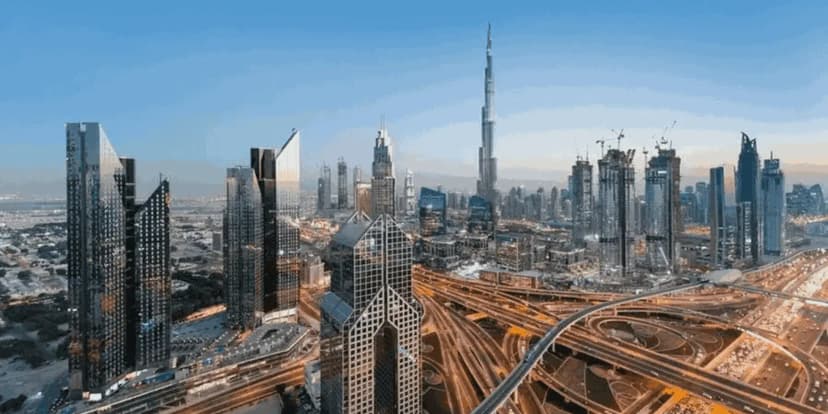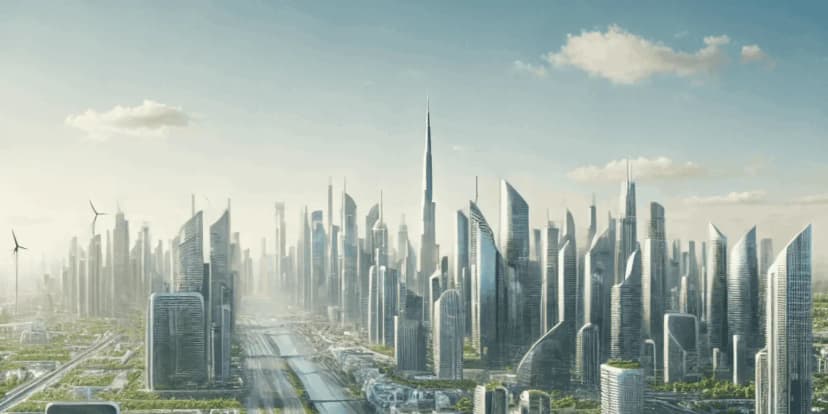
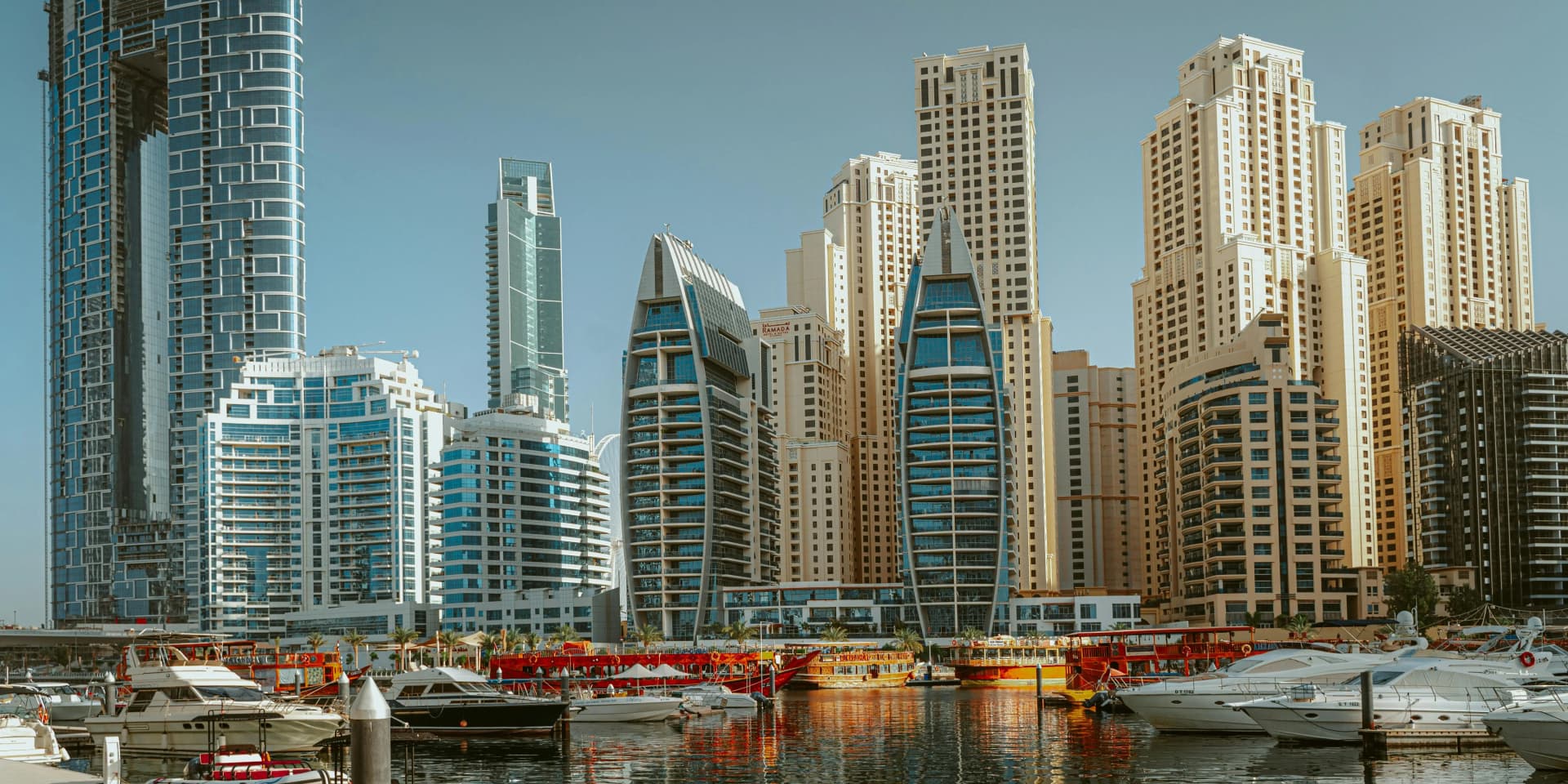
Dubai has long been a magnet for global investors, and in 2025, its commercial real estate market is more dynamic than ever. Fueled by strategic reforms, robust infrastructure, and a business-friendly environment, the city offers unparalleled opportunities for investors worldwide.
Economic Resilience and Investor-Friendly Policies
Dubai's economy has demonstrated remarkable resilience, with a projected GDP growth of 4.5% in 2025. This robust economic performance is underpinned by diversification efforts, reducing reliance on oil and focusing on sectors like tourism, finance, and technology. The city's strategic initiatives have positioned it as a global business hub, attracting multinational corporations and fostering a vibrant commercial real estate market. Dubai offers a plethora of incentives to attract foreign investors: No personal income tax, capital gains tax, or property tax; foreigners can own property in designated areas, providing full ownership rights; the Golden Visa Program offers long-term residency options for investors, entrepreneurs, and skilled professionals; streamlined processes for company registration, licensing, and property transactions create a conducive environment for investment, ensuring transparency and security for international stakeholders.
Booming Sectors and High Returns
Several sectors are fueling the demand for commercial real estate in Dubai: The Dubai International Financial Centre (DIFC) hosts over 2,500 companies, making it a leading financial hub in the Middle East. The demand for premium office spaces in areas like DIFC and Downtown Dubai continues to rise. Dubai's commitment to becoming a smart city has attracted tech giants and startups alike. Innovation hubs and tech parks are in high demand, offering state-of-the-art facilities. With over 100 million visitors annually, Dubai's tourism sector drives the need for hotels, retail spaces, and entertainment venues. Areas like Palm Jumeirah and Business Bay are hotspots for such developments. Dubai offers some of the highest rental yields globally: Office spaces average yields of 7%, outperforming cities like New York (4.2%) and London (2.4%); retail properties ensure consistent demand and stable returns; short-term rentals have seen a 30% increase in demand over the past year, driven by tourism and flexible living preferences. These attractive returns make Dubai a lucrative market for both institutional and individual investors.
Strategic Location and Emerging Trends
Situated at the crossroads of Europe, Asia, and Africa, Dubai offers unparalleled connectivity: Dubai International Airport is the world's busiest for international passengers; Jebel Ali Port is the largest in the Middle East, facilitating global trade; advanced road networks and public transportation systems enhance accessibility. This strategic location makes Dubai an ideal base for businesses targeting global markets. For 2025, several emerging trends are shaping the commercial real estate landscape: There's a growing emphasis on green buildings and eco-friendly practices, aligning with global sustainability goals; the rise of remote work has increased demand for flexible office solutions, leading to a surge in co-working spaces; the adoption of technology in real estate transactions, property management, and virtual tours is enhancing efficiency and user experience. While Dubai's commercial real estate market is thriving, investors should be mindful of regulatory compliance, market volatility, and cultural nuances. Engaging with local experts and conducting thorough due diligence can mitigate these challenges.
Dubai's commercial real estate market in 2025 stands as a testament to the city's vision, resilience, and adaptability. With robust economic growth, investor-friendly policies, and a strategic location, it offers unparalleled opportunities for global investors. As emerging trends reshape the landscape, staying informed and agile will be key to capitalizing on this dynamic market.