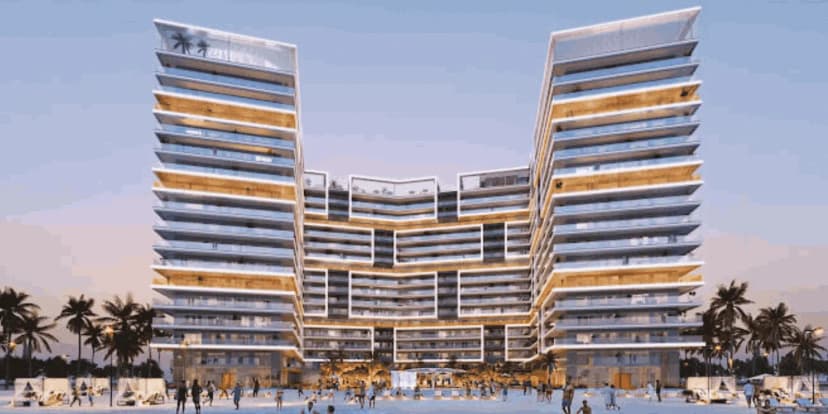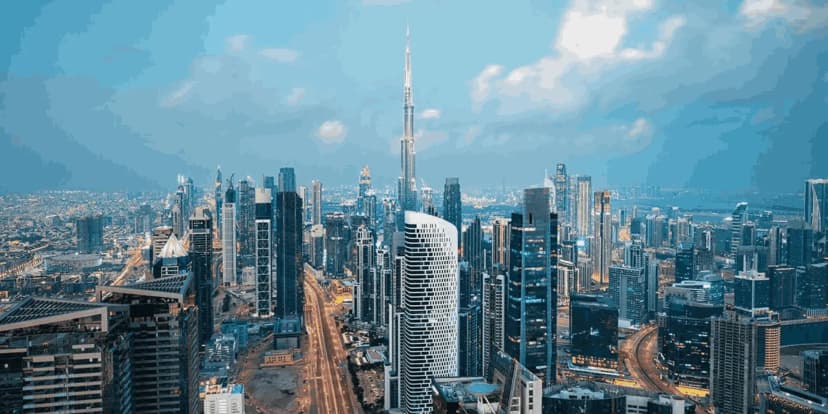

Dubai continues to strengthen its position as one of the world most attractive real estate investment destinations. Supported by a diversified economy, investor-friendly regulations, world-class infrastructure, and a rapidly growing population, the emirate offers exceptional opportunities for both local and international investors. As the Dubai property market enters 2026 with strong momentum, investors face one of the most important decisions, whether to invest in commercial real estate or residential real estate. Both property types offer excellent opportunities for rental income and capital appreciation, but they differ significantly in investment costs, risk levels, tenant profiles, management responsibilities, and long-term returns. Dubai property market has experienced remarkable growth over the past few years, and industry experts expect this trend to continue throughout 2026, with several factors continuing to attract investors worldwide including a tax-friendly investment environment, strong economic diversification, continuous infrastructure development, high rental demand, a growing expatriate population, investor-friendly government initiatives, long-term residency opportunities through property investment, and strong capital appreciation across premium locations. Whether someone is seeking recurring rental income or long-term wealth creation, Dubai provides opportunities in both residential and commercial sectors. This comprehensive guide compares commercial and residential real estate in Dubai, helping investors determine which investment aligns best with their financial goals, risk tolerance, and investment strategy.
Understanding Commercial and Residential Property and Their Key Differences
Commercial real estate refers to properties designed specifically for business purposes rather than residential use, with common commercial property types including office buildings, retail shops, shopping outlets, warehouses, industrial units, business centers, mixed-use commercial spaces, medical clinics, and hospitality assets. Commercial investments generally attract corporate tenants who sign longer lease agreements and often contribute toward maintenance expenses, and many experienced investors prefer commercial properties because they typically generate stronger rental yields and more predictable long-term cash flow. Residential real estate includes properties intended for people to live in, such as apartments, villas, townhouses, duplexes, penthouses, and serviced residences, with Dubai offering residential communities suitable for every budget and lifestyle from affordable apartments to ultra-luxury waterfront villas. Popular residential investment locations include Downtown Dubai, Dubai Marina, Palm Jumeirah, Dubai Hills Estate, Jumeirah Village Circle, Arabian Ranches, Dubai Creek Harbour, and Dubai South, and residential investments continue to attract both first-time buyers and experienced investors due to stable demand and easier management. Several key differences distinguish the two asset classes. Residential property serves living purposes with a lower initial investment, tenants who are families and individuals, lease durations usually around one year, good rental yield, lower maintenance, lower vacancy risk, easier financing, and easier liquidity when selling, while commercial property serves business operations with a higher initial investment, tenants who are businesses and corporations, lease durations typically ranging from three to ten years, higher rental yield, higher maintenance, moderate to high vacancy risk, more stringent financing, and liquidity that can take longer when selling. Although both asset classes can generate excellent returns, they serve different investment objectives. One of the biggest differences between commercial and residential investments lies in lease agreements. Commercial leases usually range from three to ten years and may extend even longer, offering benefits including stable long-term rental income, lower tenant turnover, reduced vacancy costs, and predictable cash flow, and many commercial agreements also include Triple Net lease structures where tenants pay property taxes, insurance, and maintenance costs, significantly reducing the owner ongoing expenses. Residential leases are generally renewed annually, and although tenants may relocate more frequently, the continuous demand for housing in Dubai usually allows landlords to replace tenants relatively quickly in desirable locations.
Investment Costs, Rental Yields, Risk Comparison, and Financing Options
Commercial properties generally require substantially larger upfront investments, including higher purchase prices, larger down payments, higher financing requirements, and increased legal and transaction costs, while residential properties remain more accessible to first-time investors, with lower entry costs making residential real estate an attractive option for individuals building their investment portfolios. Rental yield is often one of the deciding factors for investors. Commercial real estate generally produces higher rental yields, better annual cash flow, longer income stability, and inflation-adjusted rental increases, with premium commercial districts often achieving yields between six percent and twelve percent depending on property type and tenant quality. Residential real estate also provides attractive rental income, particularly in high-demand communities, offering consistent rental demand, easier tenant replacement, strong appreciation potential, and reliable long-term returns, and while yields may be slightly lower than commercial assets, residential properties often provide greater stability. Every investment carries some degree of risk. Commercial real estate is generally more sensitive to economic slowdowns, business closures, market cycles, and corporate downsizing, and vacancies may last longer because businesses carefully evaluate locations before signing leases. Residential demand remains relatively stable because housing is a basic necessity, and even during market corrections rental demand often continues due to Dubai growing population and expatriate workforce, making residential property comparatively less volatile. Financing requirements differ considerably between commercial and residential investments. Commercial financing often requires larger deposits, strong financial documentation, business plans, and higher income verification, with interest rates sometimes slightly higher depending on the lender. Residential financing generally offers lower down payments, longer repayment periods, more flexible lending requirements, and greater availability for individual investors, making residential property particularly attractive for new investors.
Advantages, Disadvantages, Best Investment Areas, and Frequently Asked Questions
Commercial real estate offers several advantages, including higher rental returns as businesses typically pay premium rents for strategic locations with high visibility and accessibility, long-term lease agreements that create predictable monthly income and reduce the frequency of finding new tenants, professional corporate tenants who generally maintain professional relationships with landlords and are more likely to honor lease agreements, Triple Net lease structures that require tenants to pay maintenance, insurance, and property taxes and significantly improve the owner net income, strong capital appreciation as commercial properties located in business districts often appreciate alongside surrounding infrastructure development, and inflation protection through rent escalation clauses that increase rental income over time. However, commercial real estate also carries disadvantages, including high initial capital requirements that may limit accessibility for smaller investors, higher operating costs covering building management, compliance, structural maintenance, and insurance, longer vacancy periods since finding suitable business tenants can take several months, regulatory complexity involving additional licensing and zoning requirements, and lower liquidity since selling commercial assets typically takes longer due to a smaller buyer pool. Residential real estate offers advantages including a lower entry barrier that makes it ideal for first-time investors, consistent rental demand driven by Dubai expanding population, easier financing through widely available mortgage products with flexible repayment options, simpler property management with fewer regulatory requirements than commercial buildings, and strong long-term appreciation as prime residential communities continue attracting buyers and tenants. Disadvantages of residential real estate include higher tenant turnover as residential tenants usually relocate more frequently than commercial tenants, ongoing landlord responsibilities for repairs, maintenance, tenant communication, and property management, vacancy risk since rental income stops when tenants vacate until a replacement is secured, and unexpected expenses that owners should budget for including emergency repairs, renovations, appliance replacement, and legal expenses. Several business districts continue attracting strong investor demand for commercial property, including Business Bay as Dubai leading commercial hub featuring office towers and mixed-use developments, Downtown Dubai for premium office space and retail investments, the Dubai International Financial Centre as a global financial district offering prestigious commercial opportunities, Jumeirah Lake Towers popular among SMEs and multinational companies, and Dubai South rapidly developing alongside Al Maktoum International Airport and major logistics projects. For residential investment, Palm Jumeirah offers luxury waterfront living with excellent rental demand, Dubai Marina remains one of Dubai strongest rental markets, Dubai Hills Estate is popular among families seeking premium communities, Arabian Ranches is known for spacious villas and long-term residents, Jumeirah Village Circle offers affordable investment opportunities with attractive rental yields, and Dubai Creek Harbour is a fast-growing waterfront destination with strong appreciation potential. Before investing, several factors deserve evaluation, including defining investment goals around monthly cash flow, long-term appreciation, retirement income, or portfolio diversification, assessing budget since commercial investments require significantly higher capital while residential investments provide a more affordable entry point, understanding market trends including rental demand, occupancy rates, infrastructure development, future master plans, population growth, and business expansion, evaluating risk tolerance since investors comfortable with higher risk may prefer commercial assets while conservative investors often choose residential properties for greater stability, and diversifying the portfolio since many experienced investors combine residential and commercial assets to balance cash flow, appreciation, market risk, and economic cycles. Is commercial real estate more profitable than residential real estate in Dubai? Commercial properties generally generate higher rental yields, while residential properties offer more stable occupancy and easier management. Which investment is safer? Residential real estate is generally considered safer because housing demand remains consistent even during economic fluctuations. Can foreigners invest in both residential and commercial properties in Dubai? Yes, foreign investors can purchase both residential and commercial properties in designated freehold areas across Dubai. Which property type has better capital appreciation? Both can appreciate significantly depending on location, infrastructure development, and market demand. Is residential property better for first-time investors? Yes, residential properties typically require less capital, are easier to finance, and involve simpler management, making them an excellent starting point.
Dubai continues to offer exceptional investment opportunities across both commercial and residential real estate in 2026. Commercial properties provide higher rental yields, longer lease terms, and stronger income potential, making them attractive for experienced investors with larger budgets. Residential properties, on the other hand, offer consistent demand, lower entry costs, and easier management, making them ideal for first-time buyers and long-term investors. The right choice ultimately depends on investment goals, available capital, and tolerance for risk. By conducting thorough market research, selecting high-growth locations, and aligning investment strategy with financial objectives, investors can maximize their returns in Dubai dynamic property market. At Grand Vision Real Estate, we specialize in ultra-luxury and branded residences, helping high-net-worth clients access premier properties in Dubai most exclusive locations. Our team provides comprehensive market analysis, exclusive access, and white-glove transaction support. Contact our investment specialists today to compare commercial and residential opportunities aligned with your financial goals, understand rental yield and risk profiles across Business Bay, DIFC, and premium residential communities, access exclusive listings that support a diversified investment portfolio, and benefit from personalized guidance on structuring your next Dubai real estate investment. We help discerning clients secure exceptional properties in Dubai most prestigious addresses through expert guidance and privileged market access.