
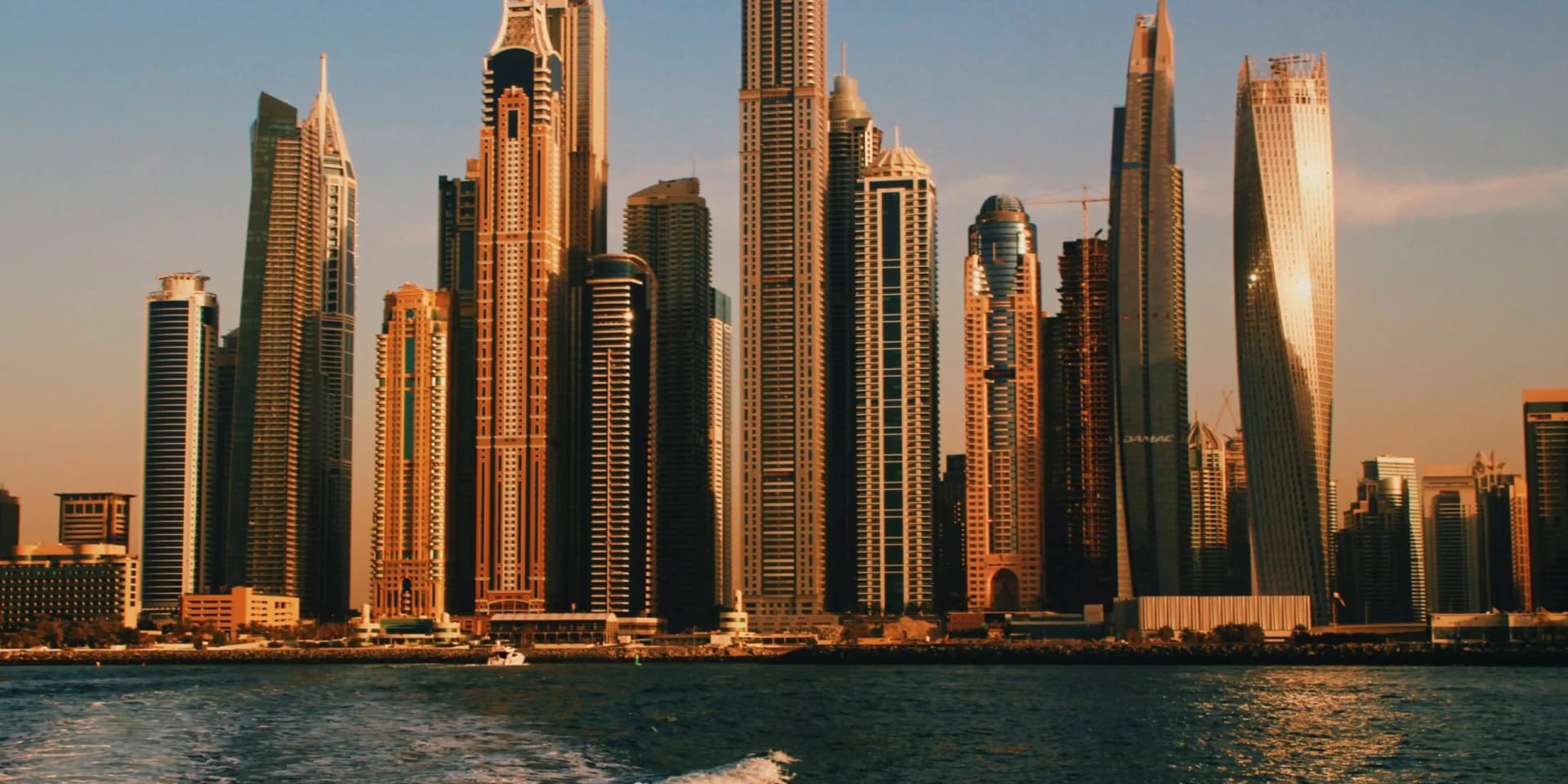
Are you looking for property that is easy to lease and easy to resell, or do you prefer longer leases with higher potential returns but stricter rules and deeper checks? This decision sits at heart of commercial vs residential property investments in Dubai and it is one every investor must face sooner or later. Residential properties in Dubai often appeal because of their broad tenant base, faster leasing cycles, and smoother resale process. Commercial properties on the other hand can offer longer lease terms, stronger tenant commitment, and more structured income, but they also demand higher due diligence and vacancy planning. This Commercial vs Residential Property Investments in Dubai 2026 Guide breaks down both asset types in clear and practical terms. You will see how each performs, where the risks sit, and which investment style aligns with your goals for income, control, and long-term planning. Before diving in, define one thing clearly: Do you want flexibility, stability, or structured long-term income? Once that goal is clear, your Dubai real estate investment choice becomes far more strategic and far less emotional. Residential property investment in Dubai works best when driven by real tenant demand rather than short-term hype. This segment attracts wide range of investors because it is familiar, liquid, and relatively easy to manage. Understanding both residential and commercial asset classes enables informed decision-making that matches investment objectives with appropriate property types and management requirements.
Residential Property Overview and Investment Benefits
Residential real estate includes apartments, villas, townhouses, and residential buildings leased for living purposes. Tenants typically choose homes based on location, commute time, school access, transport links, and nearby amenities. This creates consistent viewing activity across established communities. When priced realistically, residential units tend to lease faster and experience shorter vacancy periods. Residential assets also allow easier comparison as investors can quickly assess building quality and age, layout efficiency, service charges, parking availability, and community facilities. This transparency supports cleaner purchase decisions and smoother resale planning. Residential investments often generate stable rental income because tenants renew when unit supports their lifestyle. Maintenance needs are generally predictable allowing owners to plan upgrades and expenses with clarity. Dubai tax-free rental income environment and residency-linked investment incentives also strengthen appeal of residential property for both local and international investors. Residential transaction activity reached one hundred thirty-eight billion AED in Q3 2025 reflecting eighteen percent year-on-year increase. This level of activity supports liquidity making residential strong entry point in commercial vs residential property investments in Dubai discussion. Residential property can feel straightforward but outcomes still depend on tenant selection, cost control, and market timing. Understanding both sides helps manage residential property returns in Dubai with confidence. Residential demand remains broad covering professionals, families, corporate tenants, and relocators. This diversity reduces reliance on any single tenant group and supports consistent leasing. Liquidity is another advantage as residential units attract wider buyer pool which often results in faster resale compared to commercial assets. To maintain stable leasing, define your target tenant profile early, verify income and employment clearly, use standardized lease terms, and track renewal dates well in advance. These steps strengthen Dubai real estate investment performance by minimizing rushed decisions.
Residential Challenges and Commercial Property Overview
Residential units require ongoing upkeep and even well-maintained homes experience wear over time. Service charges can significantly impact net yield. Smart investors maintain repair reserve fund, track recurring issues, review service charge history carefully, and document unit condition at handover. This discipline protects residential property returns in Dubai and avoids cost surprises. Residential pricing can react quickly to new supply especially during large off-plan launch cycles. In Q3 2025, nearly seventy percent of residential transactions were off-plan highlighting strong future supply pipelines. To manage this risk, investors should prioritize leasing fundamentals and long-term tenant demand over short-term price appreciation. Commercial property investment in Dubai follows business demand rather than lifestyle trends. Lease quality, permitted use, and tenant strength play larger role than interior aesthetics. Commercial assets include offices, retail units and shops, showrooms, and warehouses and logistics facilities. Each category behaves differently with office demand depending on accessibility and parking, retail depending on footfall and tenant mix, and warehouses depending on zoning, ceiling height, and transport links. Because of this diversity, commercial assets should be analyzed individually not as single category. Commercial leases often run longer and include detailed clauses covering maintenance, fit-out, and reinstatement. When aligned with right tenant, these leases can deliver structured and predictable income. Before committing, investors should review tenant financial strength, confirm permitted use and licensing, clarify fit-out responsibilities, and assess vacancy risk and replacement demand. These due diligence steps prove essential for successful commercial property investment.
Commercial Investment Analysis and Strategic Comparison
Commercial assets can reward disciplined investors but they require deeper involvement and stronger risk planning. Commercial leases can offer higher yields and longer terms particularly when tenants invest heavily in their fit-out. This investment often encourages lease continuity. Structured lease clauses can improve predictability when managed correctly making commercial attractive within commercial vs residential property investments in Dubai for experienced investors. Commercial vacancies can last longer especially for specialized units. Management also involves compliance checks, signage approvals, and coordination during tenant build-out. To manage this, define clear target tenant profile, maintain fit-out and handover standards, track lease obligations carefully, and hold sufficient vacancy reserves. The difference between commercial and residential property investments in Dubai becomes clear when viewed through returns, risk, and management effort. Residential investment features broad tenant demand for income pattern, shorter and flexible lease length, easier backfilling for vacancy risk, frequent but simpler management, and wider buyer pool for exit flexibility. Commercial investment features structured lease income for income pattern, longer and clause-driven lease length, longer leasing cycles for vacancy risk, less frequent but complex management, and narrower and more selective exit flexibility. Dubai continues to offer average rental yields between six to eight percent outperforming many global cities. Both asset types benefit but in different ways. The strongest Dubai property market opportunities come from matching assets to real demand. Successful investors choose residential units that suit real tenant routines, select commercial units with clear permitted use and access, avoid assets dependent on narrow tenant profiles, and define exit strategy before purchase. This approach improves Dubai real estate investment outcomes and supports long-term performance by aligning property selection with investor capabilities and market fundamentals.
Residential property investments in Dubai suit investors seeking flexibility, liquidity, and simpler ownership. Commercial investments suit those comfortable with structured leases, deeper diligence, and longer leasing cycles. There is no universal better option, only better match for your goals, risk tolerance, and time horizon. Understanding fundamental differences between asset classes enables strategic decision-making that aligns with personal investment objectives and operational capabilities. At Grand Vision Real Estate, we guide investors through both residential and commercial opportunities with clear analysis, tenant-fit screening, and long-term planning. If you want structured approach to commercial vs residential property investments in Dubai, our team is ready to help you build with confidence. Contact our investment advisors today to receive comprehensive asset analysis customized to your investment criteria, understand tenant demand dynamics across different property types, access detailed market data supporting informed decision-making, and benefit from expert guidance throughout property acquisition and management process. We help investors navigate Dubai real estate market by matching investment goals with appropriate asset types and providing ongoing support for optimal portfolio performance.