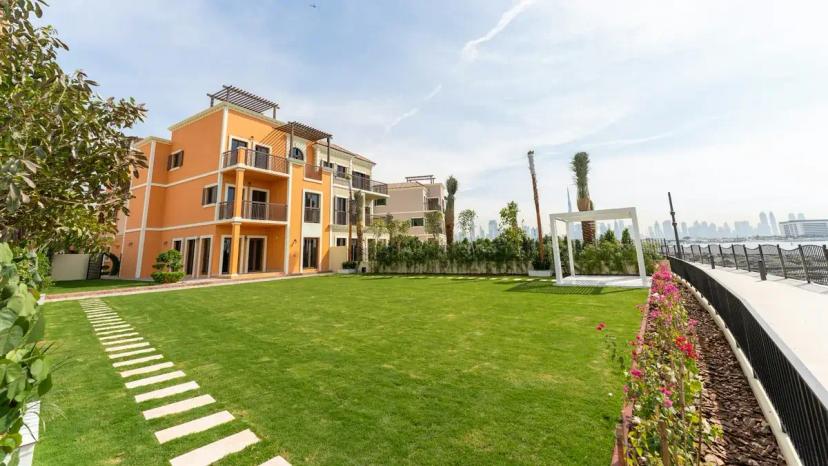
Many homes resold in Dubai's secondary market are not empty. Some apartments and villas come with tenants already living in them under active rental agreements. For investors, this can be attractive: instead of buying an empty unit and spending time searching for tenants, you may acquire a property that already generates rental income from an existing tenancy. That income is only as reliable as the paperwork behind it. Price, location and yield matter, but so do the lease terms, the payment record, the security deposit and the rights the tenant keeps after the sale. Buying an occupied property does not give you the right to raise the rent or ask the tenant to leave, so due diligence should begin before you make an offer.
Start With the Tenancy Agreement
Ask the seller for a full copy of the current tenancy agreement. Check the start and expiry dates, the agreed annual rent, the payment schedule, the renewal conditions and which repairs fall to the landlord. Confirm that the contract is registered on Ejari, Dubai's official tenancy registration system, as this gives a clearer record of the arrangement. Next, verify the rent actually collected. Advertised income is not always the same as received income. Request payment receipts, a list of paid and outstanding instalments, and details of any bounced cheques or delayed payments. Also check whether the seller has collected rent for periods after the transfer date, since those amounts need to be settled between buyer and seller.
Deposits, Duties and Notice Rules
The security deposit needs the same care. Confirm the original amount, whether the tenant paid it in full, whether the seller still holds it, and whether any deductions or disputes exist. Record the transfer in the sale agreement, because the new owner may be the party who returns the balance when the tenancy ends. A change of ownership does not end a fixed-term tenancy. As the new owner, you generally step into the landlord's position and must respect the existing contract, including maintenance duties unless the agreement says otherwise. Rent increases must follow Dubai's rental regulations and notice periods, which typically require notice at least 90 days before expiry unless both parties agree otherwise. If you want the unit back for sale or personal use, a minimum 12-month notice generally applies, served through a Notary Public or registered mail. These rules carry specific requirements, so take legal or professional advice before relying on them.
Calculating the Real Net Yield
The existing rent shows what the property earns today, not necessarily what it could earn later. Compare it with similar units in the same community, and consider condition, facilities, parking, transport access and building management standards. A slightly lower rent in a well-managed, high-demand area can still be sound, while a higher rent in a building with rising costs may not be. Work out the net yield before deciding. Take an example: an apartment with AED 100,000 in annual rent, AED 12,000 in service charges, AED 5,000 for management and AED 3,000 for maintenance leaves net operating income of AED 80,000. On a total acquisition cost of AED 1,500,000, that is about 5.33 percent. This is a simplified illustration before financing costs, transfer fees, agency commission, insurance and vacancy periods. Net rental yield equals annual net operating income divided by total acquisition cost, multiplied by 100. Actual results will vary.
Buying a tenanted property suits some investors and not others. It can work well when the lease is documented, the rent is verified, the deposit is clearly transferred and the numbers still make sense after all costs. If you are weighing an occupied apartment or villa, the Grand Vision Real Estate team can help you review your options and documents. Contact us or browse our current listings to start your search.